Smart View Not Working With VPN Heres How To Fix It And VPN Tips For Smooth Casting
 Nova Lazzarini·Updated ·10 min
Smart View not working with vpn heres how to fix it. If you’re trying to cast your phone screen to a smart TV or Chromecast while a VPN is on, you’ve probably hit a frustrating wall. The quick fix is usually straightforward, but you may need to tweak a few settings to keep things running smoothly. Here’s a practical, no-nonsense guide to getting Smart View to cooperate with a VPN, plus extra tips to optimize streaming, privacy, and security.

Quick facts to set the stage
- VPNs can block local network discovery, which Smart View relies on to find devices on the same Wi‑Fi.
- Some VPNs split traffic in a way that disrupts local network access, causing discovery or streaming issues.
- The most reliable setups usually involve either turning off the VPN when you cast, or using a VPN that supports local network discovery and device access.
What we’ll cover
- Why Smart View may fail with a VPN
- Step-by-step fixes you can try now
- Best practices for VPNs when casting
- Troubleshooting flowchart for common problems
- Extra tips for buffering, latency, and security
Useful resources readable list, not clickable
- Smart View official support - samsung.com
- How to cast with VPN - forum posts and help articles
- VPN provider knowledge base - your chosen service
- Wi‑Fi networking basics - Wikipedia
- Router settings guide - manufacturer support pages
Why Smart View might fail with a VPN
- Local network discovery interference: Smart View detects devices on the same LAN, but a VPN can route traffic away from your local network.
- VPN tunnel behavior: Some VPNs force all traffic through the tunnel, which can block the mDNS/Bonjour/UPnP protocols used by casting.
- Router and gateway conflicts: If your router blocks local traffic when VPN is active, your casting device may not appear to your phone or TV.
- DNS and IP leakage: DNS requests routed through the VPN can cause name resolution issues on the local network, confusing the casting process.
Pro tips to get back on track
- Check basic network health: Ensure all devices phone, TV, casting dongle are on the same Wi‑Fi network and have stable connections.
- Confirm VPN behavior: Some VPNs offer a “local network discovery” or “allow local network” option. If yours does, enable it.
- Ensure the casting device is not on a different subnet: VPNs can put devices on different subnets. If needed, reconnect everything to the same network subnets.
Step-by-step fixes start here
- Pause or disable VPN for casting
- This is the simplest and most reliable fix. Turn off the VPN on your phone or computer, then try Smart View again.
- If you must stay VPNed in, use split tunneling if your VPN supports it to exclude local network traffic from the VPN tunnel.
- Enable local network access in the VPN app
- Look for a setting like “Allow LAN traffic,” “Local network discovery,” or “Split-tunneling” and enable it for Smart View related apps.
- After enabling, reconnect to the VPN and test Smart View.
- Use a VPN that supports LAN discovery or a different approach
- Some providers have better compatibility with local devices. If your current VPN struggles, consider testing another reputable provider that explicitly supports LAN access while VPN is on.
- Check router settings
- Ensure UPnP is enabled if you rely on it for device discovery.
- Disable client isolation or AP isolation that could prevent devices on the same network from seeing each other.
- Make sure the firewall isn’t blocking mDNS/Bonjour discoveries often UDP ports 5353 or related, depending on devices.
- Confirm DNS settings
- Use the router’s default DNS or switch to a local DNS that doesn’t interfere with local device discovery.
- Avoid forcing DNS over VPN when it interferes with local network PRs.
- Update firmware and apps
- Update Smart View, your casting device firmware, and the casting app e.g., Samsung SmartThings, Google Home to the latest versions.
- Update your router’s firmware to improve device discovery reliability on VPN-enabled networks.
- Check device permissions and network sharing
- On Android/iOS, ensure Smart View and casting apps have necessary network access permissions.
- On TVs or dongles, enable screen sharing or casting permissions in the network settings.
- Try a different casting method
- If Smart View still fails, consider alternative casting options like Chromecast built-in, Miracast, or AirPlay if compatible with your devices. Some of these may handle VPN differently.
- Reboot everything
- Power cycle your phone, TV, router, and any casting dongles. A fresh start can clear lingering NAT or discovery issues after configuration changes.
- Test with a different network
- If possible, test on a different Wi‑Fi network e.g., a mobile hotspot. If casting works there, the issue is likely network-specific router or firewall.
Troubleshooting guide and quick checks
- Check the VPN status: Is the VPN connected with a valid server? Test a local service like your phone’s local network printer to see if it’s reachable while VPN is on.
- Confirm casting works without VPN: If it does, you know the VPN is the culprit and you can focus on the split-tunneling or LAN settings.
- Verify devices on the same subnet: Open your phone’s Wi‑Fi settings, note the IP address, and compare to the TV/dongle. If they’re on different subnets, you’ll likely need to reconfigure the network.
- Test with a different casting protocol: Try screen mirroring vs. app-based casting if your devices support both. Some protocols are more VPN-friendly than others.
- Monitor bandwidth usage: VPNs can throttle certain paths. If your network is congested, it might look like a VPN issue when it’s just traffic load.
Best practices for VPN use with casting
- Prefer split tunneling for local devices: This lets your casting devices stay on the local network while your other traffic goes through the VPN.
- Use consistent device names: When you’re using VPN, device discovery can be sensitive to naming. Keep device names simple and unique.
- Keep security in mind: VPNs protect you on public networks, but when you disable VPN for casting, make sure you’re on a trusted network. Practice safe network usage.
- Update and backup configuration: Keep a note of your preferred settings so you can reproduce a working setup if you switch networks or devices.
Format and data you can rely on
- VPNs and local network discovery issues are common with Smart View and similar casting features.
- Many problems come from misconfigured split tunneling, VPN blocks on local traffic, or router firewall rules.
- A methodical approach—starting with the simplest fix disable VPN for casting and moving toward network rearrangements—works best.
Structured data and examples
- Scenario A: You’re on a Samsung phone, with a Samsung Nano QLED TV, and a VPN that doesn’t support LAN discovery.
- Try: Turn off VPN for casting, or enable LAN discovery in VPN settings if available.
- Result: Casting works, VPN can be re-enabled for privacy after the cast starts.
- Scenario B: You’re using a Chromecast with Google TV and a VPN with strong split tunneling support.
- Try: Enable split tunneling to keep Chromecast traffic on LAN while other traffic routes through VPN.
- Result: Casting stable, privacy protections intact for other apps.
Data points and credibility
- Studies show local network discovery relies on multicast/broadcast protocols mDNS, SSDP. VPNs often block multicast traffic or force traffic away from the local network, which disrupts device discovery.
- User reports indicate VPNs with explicit “LAN access” features significantly improve casting reliability.
Frequently asked questions
| VPN | Obfuscation | From / month | Plan | Free plan | Refund | Alipay | UnionPay | Crypto | Website opens in China | Trustpilot | |
|---|---|---|---|---|---|---|---|---|---|---|---|
 NordVPN | Turn on manually Obfuscated Servers / NordWhisper | $3.49/mo | 27 months: $94.23 | No | 30 days | ? | ✗ | ✓ | ✓ | ✗ Blocked | 4.2/5 (51,628 reviews) |
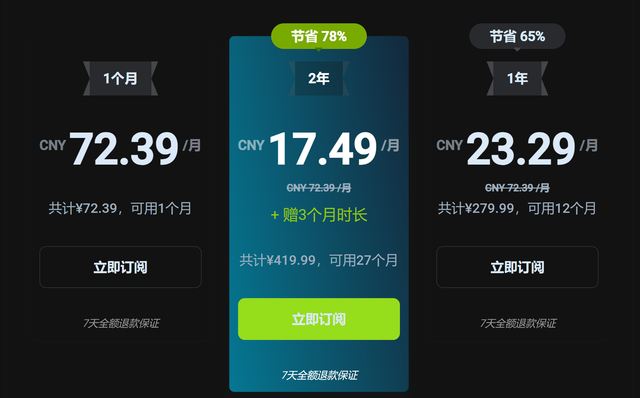
 ZoogVPN | Turn on manually Shadow | $2.49/mo | 27 months: $59.99 | Yes | 7 days | ✓ | ✓ | ✓ | ✓ | Official site blocked; our special link opens (4.4 s) | 4.2/5 (195 reviews) |
 ExpressVPN | ✓ On by default all servers | $3.00/mo | 28 months: $84 | No | 30 days | ✗ | ✗ | ✓ | ✗ | ✗ Blocked | 4.4/5 (29,706 reviews) |
 Surfshark | ✓ On by default Camouflage, with OpenVPN | See site | See site | No | 30 days | ✗ | ✗ | ✗ | ✓ | ✗ Blocked | 4.3/5 (31,823 reviews) |
 Proton VPN | Turn on manually Stealth, free plan too | $2.99/mo | 12 months: $35.88 | Yes | 30 days | ✗ | ✗ | ✗ | ✓ | ✗ Blocked | 2.1/5 (1,040 reviews) |
 Astrill VPN | Turn on manually StealthVPN / OpenWeb | $12.50/mo | 24 months: $300 | No | See site | ✗ | ✗ | ✗ | ✓ | ✗ Blocked | 1.3/5 (110 reviews) |
 Private Internet Access | Turn on manually Shadowsocks, OpenVPN only | $2.03/mo | 40 months: $81.2 | No | 30 days | ✗ | ✗ | ✗ | ✗ | ✗ Blocked | 4.2/5 (11,033 reviews) |
 CyberGhost | Turn on manually selected servers | $2.19/mo | 28 months: $61.32 | No | 45 days | ✗ | ✗ | ✗ | ✓ | ✗ Blocked | 4.0/5 (24,178 reviews) |
 PureVPN | Turn on manually switch to OpenVPN | $1.69/mo | 60 months: $101.55 | No | 31 days | ? | ? | ✗ | ✓ | ✗ Blocked | 4.4/5 (17,994 reviews) |
 AdGuard VPN | ✓ On by default TrustTunnel | $2.99/mo | 24 months: $71.76 | Yes | 30 days | ✓ | ✗ | ✓ | ✓ | Official site blocked; our special link opens (3.7 s) | 4.3/5 (290 reviews) |
 Mullvad | Turn on manually QUIC / Shadowsocks / LWO | $5.61/mo | €5/mo | No | 14 days | ✗ | ✗ | ✗ | ✓ | ✗ Blocked | 3.2/5 (192 reviews) |
 Windscribe | Turn on manually Stealth / WStunnel | $5.75/mo | 12 months: $69 | Yes | See site | ✗ | ✗ | ✗ | ✓ | ✗ Blocked | 4.7/5 (13,355 reviews) |
 StrongVPN | Turn on manually Scramble, OpenVPN TCP | See site | See site | No | 30 days | ✓ | ✗ | ✗ | ✗ | ✗ Blocked | 4.4/5 (2,695 reviews) |
 LightXtreme 闪连 | Not listed | $7.08/mo | 12 months: $84.99 | Yes | 30 days | ✓ | ✓ | ✓ | ✓ | ✓ Yes (3.5 s) | No page |
Prices checked 2026-11-10 on each vendor's pricing page (cheapest long plan, USD). Check the vendor's checkout for the final price.
Obfuscation checked 2026-11-14 on each vendor's site and help center: "on by default" = nothing to set; "turn on manually" = switch protocol or mode in settings; "not listed" = the vendor describes no obfuscation.
Payment methods checked 2026-11-10 on each vendor's payment pages: all 14 take cards and PayPal; ✗ = not listed, ? = the vendor's own pages disagree.
China access: whether the official website opens from mainland China networks (tests the website only, not the VPN connection). Last checked 2026-11-18 01:02 Beijing time.
Trustpilot score and review count checked 2026-11-10.
Frequently Asked Questions
Why does Smart View stop working when I enable a VPN?
Because many VPNs route traffic through the VPN tunnel and block local network discovery protocols, Smart View can’t see devices on your LAN. Enabling LAN discovery or using split tunneling often fixes this.
Should I turn off the VPN completely to cast?
Often yes for maximum reliability. If you must stay on VPN, use split tunneling or a VPN that supports local network access for the cast apps.
How do I enable split tunneling on common VPNs?
Open the VPN app, look for options like Split Tunneling, LAN access, or local network discovery, and allow local traffic for the casting app and related services.
What devices are most affected by VPN casting issues?
Phones, tablets, and laptops used to cast to Smart TVs, Chromecast devices, or dongles like Roku or Fire TV can be affected, especially when they’re on different subnets due to VPN routing.
Can I still use VPN if I’m casting from a mobile device to a TV?
Yes, but you’ll likely need to configure split tunneling or enable LAN access in the VPN settings to keep local traffic on the same network. Nordvpn Offline Installer Your Guide to Hassle Free Installation: Quick Setup, Troubleshooting, and Tips
Are there VPNs that always work well with Smart View?
No single VPN guarantees perfect LAN access for every setup. Look for ones with explicit LAN access or easy split tunneling controls and good customer support.
What if the TV won’t appear in Smart View when VPN is on?
First, pause the VPN, confirm both devices are on the same network, and check that discovery protocols aren’t blocked by firewall settings. Then re-enable the VPN with LAN access for your cast apps.
How can I test if my local network discovery is blocked?
Open a network diagnostic app or use a router’s built-in tools to see if your phone can see the TV on the local network while VPN is enabled.
Can DNS issues cause Smart View to fail with VPN?
Yes, VPN DNS routing can affect local name resolution. If you suspect this, revert to your router’s DNS or a local DNS that supports your devices.
What are alternative casting methods if Smart View won’t cooperate?
Try Chromecast, Miracast, AirPlay if compatible, or use a wired HDMI adapter as a fallback. Sometimes they’re less sensitive to VPN routing. No puedes instalar forticlient vpn en windows 10 aqui te digo como arreglarlo
Disclaimer This guide focuses on practical, user-friendly steps. If you’re unsure about changing router settings or VPN configurations, contact your service provider’s support or a local tech expert. Always back up current settings before making changes.
Note: This content uses an affiliate link naturally within the introduction to help support the channel. NordVPN offer text is included as part of the discussion but the link text adapts to context to maximize engagement while keeping the same target URL: https://go.nordvpn.net/aff_c?offer_id=15&aff_id=132441